


Upptäck Mímis

AI-agent för smartare e-handel
Increase your e-commerce conversion rate with 10 simple tips
Improving your conversion rate is a challenge for every e-commerce business. In this article, we share effective tips and strategies to help you maximise sales and optimise the user experience on your e-commerce platform.
With digital commerce continuing to grow, competition is growing with it. That makes it more important than ever to optimise your e-commerce site to attract and retain customers.
With the right strategies and tools, you can increase your conversion rate and build a successful e-commerce business with satisfied, returning customers.
1. Optimise the user experience
Understanding visitor behaviour and optimising the user experience (UX) is crucial if you want to increase conversion on your e-commerce site and create the best possible shopping experience, one that guides visitors smoothly through the site to a completed purchase.
Using heatmaps and session recordings from different third-party tools, you can get visual insight into where visitors interact most on your site, where they click, how far they scroll, and where they may be running into frustration, confusion or other issues. With these insights, you can identify what needs to be improved, optimise the experience, refine the flow and guide visitors towards a completed purchase.
2. Reviews
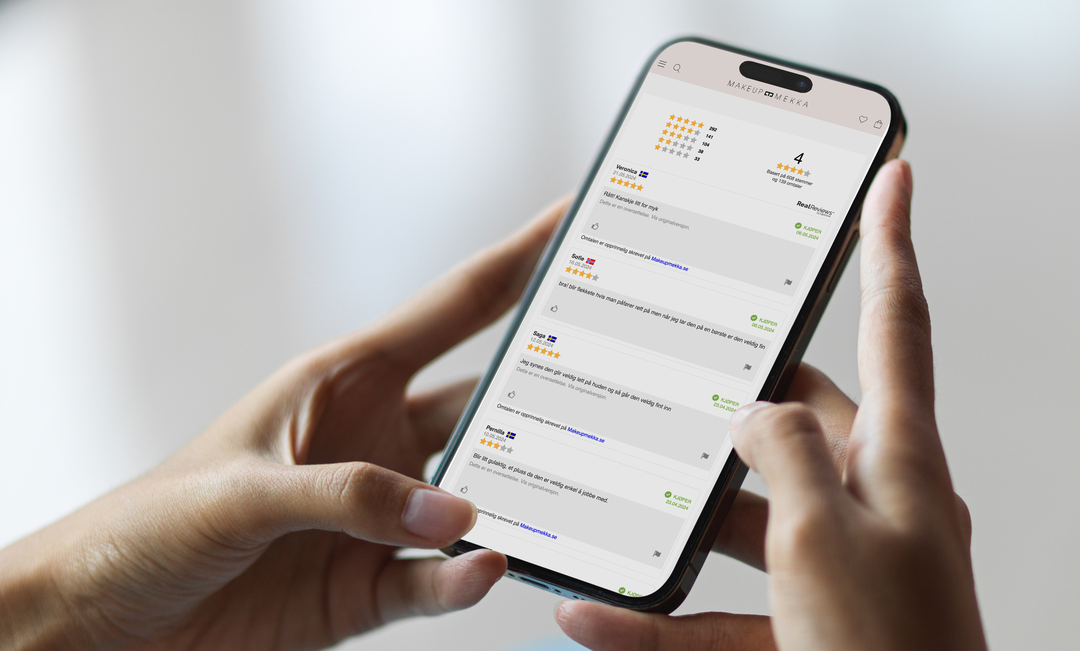
Customer reviews can increase your conversion rate by building trust in your products. They show real opinions and experiences from previous customers who have already completed a purchase.
Reviews do more than support decision-making. They can also add useful product information that may be missing from the product description and help customers compare products to see which one best matches their needs and expectations.
Reviews also give you valuable feedback on your products and services, helping you improve the customer experience and product quality while reducing returns.
They are also valuable from an SEO perspective, as they can improve product visibility in search results and drive more traffic to your site.
3. Product images and product descriptions
High-quality product images and detailed product descriptions are essential both for your brand image and for increasing your conversion rate.
Clear, compelling product images capture attention and increase the likelihood of a purchase. When customers can see the product in detail and read about its features, they feel more confident in their buying decision.
Accurate product descriptions, clear product images and detailed visuals help customers form the right impression before they buy. That reduces the risk of disappointment and, in turn, the risk of returns and refunds.
Good product images are not just an investment that pays off through increased sales. They also improve customer satisfaction, reduce returns and lift your conversion rate.
4. Related products (cross-sell/upsell)
Upselling is an important strategy for increasing sales while also improving customer satisfaction. By offering related products alongside your main products and highlighting add-on products either on the product page or in the checkout, you can increase total sales per customer while improving the overall customer experience and satisfaction. It becomes a win-win, where both you and your customers benefit from relevant, useful offers.
5. Easy navigation
Clear, intuitive navigation is a basic requirement for creating a positive and effective user experience. When navigation is simple and well structured, visitors are more likely to stay on your site, explore further and ultimately complete a purchase.
Effective navigation also saves visitors time by taking them directly to the category or product they are looking for. That reduces the risk of frustration and lowers the chance that they leave the site without converting.
When you make it easy for visitors to find products and content, you increase the likelihood of conversion while also creating a positive overall customer experience. Satisfied customers are more likely to return to your e-commerce site for future purchases and become loyal repeat customers.
6. Chat
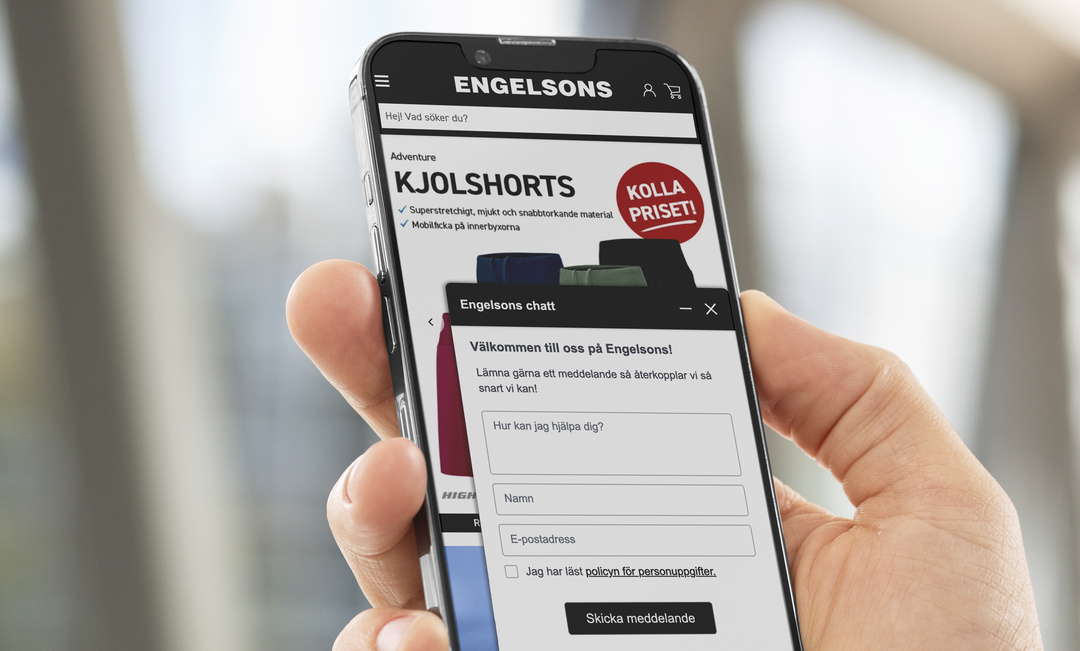
A chat function on your e-commerce site brings several benefits for both customers and sellers. First, it enables fast, immediate customer support, which increases customer satisfaction and loyalty. Real-time communication creates a more personal buying experience and can improve conversion by giving hesitant customers the confidence to complete a purchase. Chat also reduces the risk of customers leaving the site without buying and can be used to collect valuable feedback for customer service, helping you improve the experience even further. In short, chat is a powerful tool for increasing customer satisfaction, conversion and loyalty through immediate support and interactive communication.
7. CTAs
A Call to Action, or CTA, is a prompt that encourages visitors to take a specific action on your site, such as clicking through to explore a campaign or offer, or completing a purchase. CTAs can look different depending on their purpose, but short and concise usually works best.
CTAs are needed to guide visitors towards the next step and are important because they help users move forward in the conversion process.
8. UGC
User Generated Content (UGC) is unpaid content created by consumers themselves and then shared on social media, blogs and other platforms. It can take the form of images, videos or reviews. What sets UGC apart is that it is created by ordinary people without any form of compensation. E-commerce businesses can ask for permission to share this content in their own channels, including Stories or on their e-commerce site. UGC is often seen as more authentic and trustworthy than marketing created by paid influencers or brands themselves.
When you encourage customers to contribute their own images and then showcase them, you create a relationship and loyalty between the customer and your business that can increase profitability over time.
As well as giving you a free image bank, it also gives you a wider variety of content than you could create on your own. Showing products from different perspectives, in real-life situations and with real people strengthens your brand while helping you build stronger customer relationships.
9. Payment process/checkout
The checkout experience is critical when it comes to completing a purchase, reducing basket abandonment and encouraging customers to return to your e-commerce site. The checkout layout should be simple, clear and easy to follow, guiding customers through the process. Make sure key information is clearly visible, such as delivery options, payment methods, order summary and the total amount to pay.
Offer several payment options, such as Klarna, Swish or card payments, to give customers flexibility and increase the chances of a completed purchase.
Provide clear information about available delivery options, costs and delivery times to help customers make decisions without unpleasant surprises later in the process.
Use clear, action-oriented CTAs and instructions in the checkout, such as “complete purchase”, or other prompts that help customers move quickly through the process and finish their order.
10. Delivery options
The right delivery options can play a decisive role for several reasons. First, they influence the buying decision. By offering multiple options, you can better match different customer needs and give people the freedom to choose what suits them best. For some customers, one collection point may be 100 kilometres away, while another delivery method offers something much closer. That will likely determine whether they complete the purchase or not, and whether they return to your e-commerce site again.
Fast, flexible and convenient delivery options also help increase customer satisfaction and loyalty by creating a positive experience from start to finish.
Ready to take the next step?
Get in touch and we'll show you how Viskan can accelerate your e-commerce.