


Upptäck Mímis

AI-agent för smartare e-handel
Published: 2026 02 06
Flexible payment solutions:
a competitive advantage for Nordic e-commerce businesses
The right payment solutions matter to both you and your customers. Especially in the Nordics, where local payment habits differ and can change quickly. Freedom of choice in payment solutions is a core part of the customer experience and conversion. Research shows that Nordic consumers often abandon their purchases if they cannot choose their preferred payment method.
At the same time, some e-commerce platforms are moving towards becoming closed systems with their own solutions. Shopify is one example, using its own payment solution to control the entire payment flow. That limits you as an e-commerce business, your customers and the payment partners connected to your platform. This is where an open and flexible e-commerce platform such as Viskan, with integrations to all leading Payment Service Providers, gives you a strategic competitive advantage. Let’s take a closer look at how open e-commerce platforms with integrations to leading PSPs give you more freedom of choice in payment solutions and strengthen your competitiveness.
Summary:
Nordic online shoppers often abandon purchases if their preferred payment method is missing. At the same time, major platforms such as Shopify are moving towards closed payment systems that limit choice and increase costs. Open e-commerce platforms with integrations to all leading PSPs give you strategic competitive advantages through flexibility, better terms and lower costs.
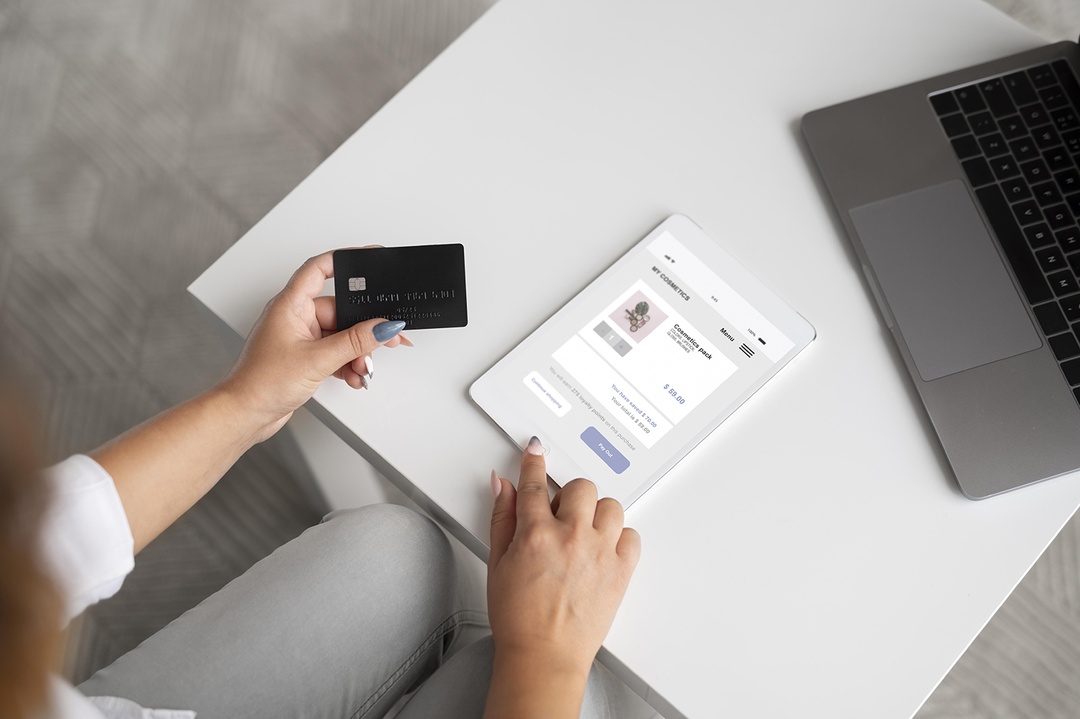
Why are flexible payment solutions important for Nordic e-commerce businesses?
The Nordic e-commerce market has high expectations around choice and local adaptation. Nordic online shoppers often abandon their purchases if their preferred payment solution is not available. It is also a fast-moving market.
Svea Bank’s report series Payments in the Nordics shows that the Nordic buying experience is shaped by high expectations and rapid development, with innovation driven by financial institutions. Paying online needs to be simple, fast and secure. If customers like a new payment solution, they can change their behaviour quickly.
That is why it is especially important that you can adapt the payment methods in your platform to your market. Right now, card payments, Swish and invoice payments via Klarna are preferred in Sweden. In Norway, customers prefer cards and Vipps. In Denmark and Finland, payment cards and local solutions are the norm. But this can change very quickly. For example, Norway’s leading payment app Vipps MobilePay has recently launched in Sweden as an alternative to Swish. It is growing quickly, with the ambition of becoming a strong shared European solution for fast and secure payments.
"Freedom of choice in payment solutions is not just a technical issue, it is a business-critical competitive advantage. In the Nordic market, we see that e-commerce businesses that can adapt their payment methods quickly grow significantly faster than those locked into a single vendor’s ecosystem," says Kristian Iveling, CEO of Viskan, with more than 20 years’ experience in e-commerce platforms and strategic business development.
To meet the demand for local adaptation and rapid development, you need an open payment strategy that lets you tailor the checkout and work strategically with payment providers. That not only improves the customer experience and leads to higher conversion, it also makes expansion into new markets much easier.
More closed payment systems such as Shopify Payment are built for a generic global market. They lack the flexibility needed to meet local preferences and the rapid pace of change that defines the Nordics.

Closed payment solutions limit the e-commerce market for everyone
Using a payment gateway such as Shopify Payments may seem simple and convenient in the short term. You do not need to integrate anything or negotiate with payment providers. But over time, a closed standard solution controlled by the platform provider is neither strategic nor advantageous.
Three ways closed payment systems limit you as an e-commerce business:
1. Limited flexibility.
You cannot adapt quickly to new payment methods or local preferences when the market changes.
2. Significantly higher costs for alternative payment solutions.
Shopify charges substantially higher fees for competing payment methods. (For example, Klarna can become 2–3 times more expensive than on open platforms.)
3. Harder to differentiate.
Limited choice and higher fees for alternative payment solutions make it both harder and more expensive to offer unique payment methods that set you apart from competitors.
On top of the limitations around meeting local requirements and adapting to new payment solutions, it becomes harder to stay agile and innovative. You cannot differentiate in your market when you do not control which payment solutions you want to use in your e-commerce business.
It also means higher costs for you. If you choose to add other payment solutions alongside Shopify Payment, it becomes significantly more expensive, because Shopify charges substantially higher transaction costs for competing payment solutions. At first, you may not notice it much, but as your transaction volumes grow, the cost becomes very noticeable. If you operate in multiple markets, an exchange fee is also added in Shopify’s multi-currency solution, which further increases ongoing costs.
The problem goes beyond the direct costs to you. Closed payment systems also limit other players that contribute to flexible e-commerce, such as payment providers. With a platform provider such as Shopify, which generates a large share of its revenue through its own payment system, the incentive to integrate other payment solutions decreases. That weakens both competition and innovation in the market. Payment providers get less room to develop new solutions.
"When platform providers profit from their own payment systems, a conflict of interest arises. Their incentive to integrate competitors decreases, which limits innovation across the market. In the end, you lose the ability to choose the best solutions for your business," explains Kristian Iveling, CEO of Viskan.
This affects you through a narrower market that gives you less freedom to choose which payment solutions to use. In the end, everyone loses except the platform provider with its own payment system.
How do open e-commerce platforms and PSPs create better conditions for e-commerce businesses?
One way to protect your freedom of choice is for PSPs (Payment Service Providers – providers that handle payments between the customer, the e-commerce business and the bank) and open e-commerce platforms, such as Viskan, to work more closely together to create a flexible range of payment solutions. You get not only more options, but also better competitive terms and more room to negotiate. It also makes it easier to share insights that contribute to smoother and more personalised buying journeys. That gives your e-commerce business competitive advantages that increase conversion and sales.
"We see clear value in closer collaboration between open e-commerce platforms and PSPs. It creates healthier competition that gives e-commerce businesses better terms, more options and access to the latest innovations. That is how we build a stronger Nordic e-commerce market," says Kristian Iveling, CEO of Viskan.
The Nordic market is strongly driven by innovation and demands constant development of payment solutions. With e-commerce built on open architecture, you can quickly add new payment methods without the platform holding you back. That gives payment providers room to offer new technical solutions that support your expansion into new markets. You also get more control over your transaction data to help you comply with regulations such as GDPR. Through integrations and a broad range of options, you can switch freely between different payment methods, brands and customer groups.
Four concrete advantages for you when open platforms and PSPs work together:
1. More options for your customers.
Secure and smooth payment flows tailored to local markets increase conversion.
2. Lower costs through competition.
More payment providers create healthier competition that gives you better pricing and terms.
3. Access to the latest innovations.
Payment providers get room to develop new solutions that you can integrate quickly
4. Flexibility to switch between different payment solutions.
You can quickly add or switch payment solutions depending on the needs of the local market.
In short, a better e-commerce market for everyone.
Viskan stands for open and flexible e-commerce
At Viskan, our philosophy is that you should be able to stay flexible to get the most out of your business. That is why the Viskan E-commerce Platform is built on composable technology and Viskan Open API.
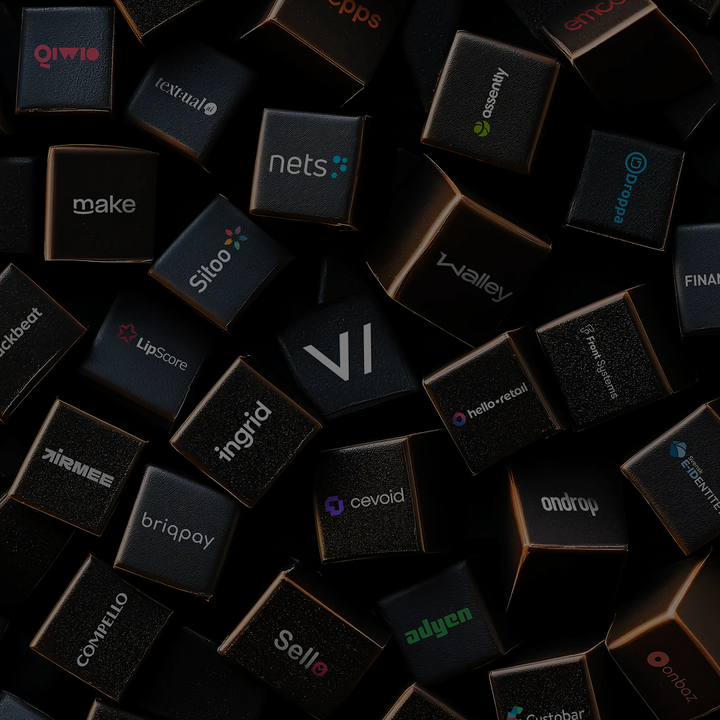
Together with seamless partner integrations, we make it easy to integrate tools with the platform and tailor your e-commerce setup to your specific needs. Viskan supports all leading PSPs – Klarna, Nets, Svea, Walley, Avarda, Swish, Vipps and more. You are free to choose the payment solution that fits your needs and your market.
"We believe you should have full control over your tech stack. That is why we build on open standards and composable architecture. It gives you the freedom to choose the payment solutions that genuinely move your sales forward, today and in the future," concludes Kristian Iveling, CEO of Viskan.
We actively work for an e-commerce market shaped by openness and freedom of choice. That is a direction that benefits you, your customers and the entire Nordic e-commerce ecosystem. Feel free to get in touch if you want to discuss how open payment solutions can strengthen your competitiveness.
How ready is your e-commerce business for the trends shaping 2026?
Get in touch with us at Viskan and we’ll discuss which choices could be decisive for your e-commerce business going forward.
Frequently asked questions about payment solutions for e-commerce:

Kristian Iveling – CEO, Viskan
Kristian Iveling is CEO of Viskan and has more than 20 years’ experience in e-commerce platforms and strategic business development. Since taking on the CEO role in 2019, he has led Viskan’s technical development with a focus on building efficient ecosystems that strengthen customers’ competitiveness. Kristian combines technical innovation with deep commercial understanding to drive sustainable growth, both for Viskan and for businesses that choose the Viskan E-commerce Platform.
Kristian’s areas of expertise include:
- Strategic business development for technology-driven companies
- Technical innovation in e-commerce
- Building e-commerce platforms for scalability and efficiency
- Leadership in technology and product development

Discover
Viskan Next Generation

Read more

Can I combine B2C and B2B e-commerce in Viskan?
Read more