


Upptäck Mímis

AI-agent för smartare e-handel
How to define the right CMS requirements for your e-commerce platform
CMS matters more in e-commerce than many people realise. With a flexible, user-friendly content management system, you can create and optimise content across your e-commerce platform with ease. That gives you the tools to build an engaging, user-friendly experience that converts visitors, encourages customers to buy more each time they shop, and keeps them coming back.
At the same time, many e-commerce businesses underestimate how important CMS is to the overall experience. The result is often a platform that feels restrictive and difficult to work with. That creates frustration for both you and your customers. To help you if you’re considering changing e-commerce platform, we’ve put together a guide to help you define the right CMS requirements. We hope it helps you create a better e-commerce experience for everyone involved.
Why CMS matters more than you think in e-commerce
A content management system (CMS) lets you create and manage content across your e-commerce site with ease. From product pages and product attributes to basket and checkout. And you can do it without needing to learn code or programming. It gives you the freedom to quickly change the look and feel of your webshop. That means CMS is much more than just a content tool. It helps you build stronger relationships with your customers while giving them the best possible user experience.
A strong content management system also brings several other benefits to your e-commerce business:
More completed purchases.
Today’s online shoppers have high expectations of the e-commerce sites they visit. If the experience isn’t smooth, purchase intent drops, which leads to around 70% of baskets being abandoned. One of the most common reasons customers abandon a purchase is frustration with a slow, complicated user experience. With a good CMS, you can optimise content quickly and easily, which creates a smoother, more relevant experience. That helps more customers complete their purchase and makes them more likely to come back for more.
It saves time and money.
A good CMS lets whoever is using the system change the design, content and layout of a webshop without needing to learn code or bring in someone who can. You can manage content yourself and keep pace with customer expectations without depending on anyone else.
CMS gives you more creative freedom to create more relevant, more personal content for each audience.
That creates a more tailored and engaging experience, which can help increase conversion. It also makes it easier to create a consistent brand experience, with the same visual feel and expression across every channel. You become easier to recognise and give customers a familiar experience, from physical store to webshop to social media.
Better SEO.
If you want to be visible and attract new customers, your content needs strong search engine optimisation. A good CMS gives you the right conditions to optimise content for better visibility and more traffic. That includes things like meta tags, well-placed keywords and mobile optimisation.

What should a good CMS be able to do? Define the right requirements
CMS is a key part of an e-commerce platform. It helps you attract, convert and engage customers. That means your choice of content management system can directly support growth and strengthen your brand. But not all CMS platforms are built the same, because different industries have different needs. That’s why it’s important to understand what your e-commerce business actually needs, so you can choose a CMS that will support you for the long term.
At Viskan, we’ve spent decades working with e-commerce. Based on that experience, we’ve seen which features and capabilities matter most when e-commerce businesses define their CMS requirements and choose a platform. If we were choosing a CMS today and wanted one that gave us room to grow, these are the factors we’d focus on first.
The ability to handle most content changes yourself.
As an e-commerce business, you need the creative freedom to change anything on your site. Even the checkout, if needed. A good CMS should be flexible and let you make the changes you need. That could mean planning campaigns well in advance or scheduling certain expressions at different times of year. All on your own.
A good CMS should include functionality for product management and upselling.
It should let you sell bundles and accessory products, and make it easy to create more opportunities to increase order value.
It should be easy to act on insights.
A successful e-commerce business needs to measure, analyse and follow up continuously to keep customers happy. If, for example, the buy button sits too far down the page, you should be able to move it up quickly and easily. Changes like that should be possible without involving your platform provider.
A CMS that supports your e-commerce business should contribute to strong site performance.
Above all, it should be able to distinguish between content shown on different devices. For example, how quickly content loads on desktop compared with mobile devices.
It should work with your collaborative process.
You should be able to show work to colleagues easily and refine it together before it goes live.
The system should be able to distinguish between logged-in and non-logged-in mode, to create a better customer experience.
You should be able to offer logged-in customers something more, such as access to previous orders and favourites, personal offers, and more.
A CMS that works well for e-commerce should support internationalisation.
That means you can work simply and efficiently across multiple countries and expand into new markets when growth demands it.
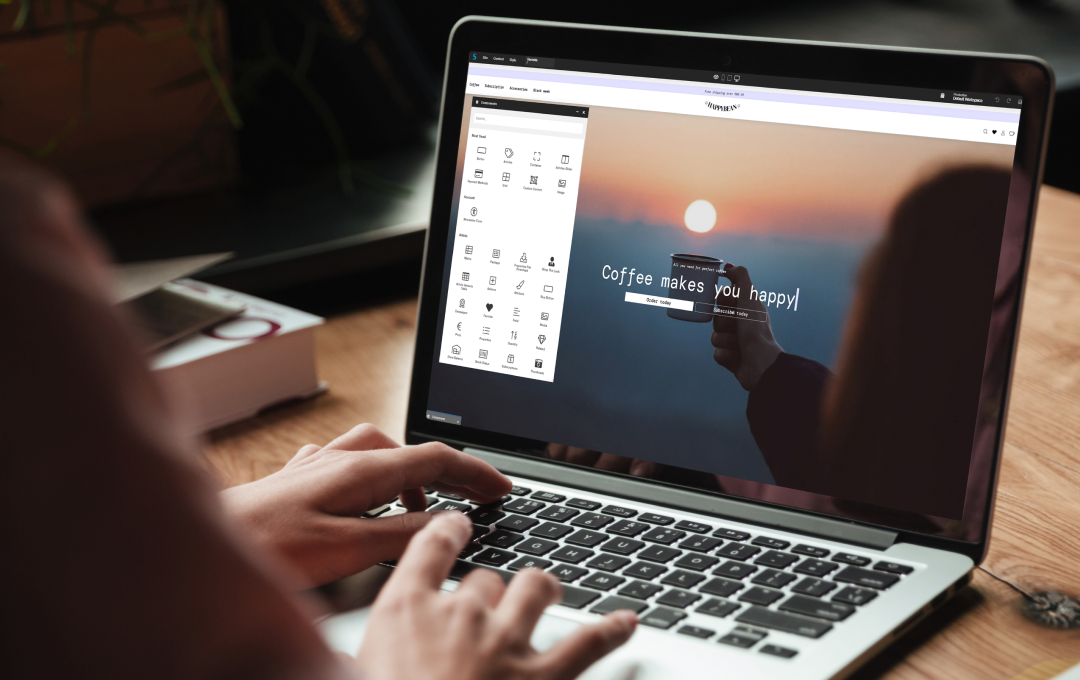
What to keep in mind when defining CMS requirements for your e-commerce business
We see many e-commerce businesses underestimate the value of a good CMS and set the bar too low. Why settle for only being able to change text and images when you could do so much more? If you want more power to sell, keep these points in mind when defining requirements and choosing a CMS for your e-commerce platform.
Don’t choose an inflexible CMS where you can’t change anything, any time.
Watch out for locked templates, for example, where you can only swap image and text but not change where things sit. Or where it isn’t possible to highlight or visualise product attributes.
What’s included in onboarding and support?
Will you learn your new system through workshops with relevant tasks to solve? Can you get additional training, for example if you bring in new staff or need a refresher? Is there straightforward support where you can find information yourself on how to configure different things? Does the provider offer webinars that show you how to use the CMS functionality so you get as much value from it as possible?
What’s the difference between desktop and mobile?
How is large amounts of data processed on a smaller device, and how quickly does the content load?
Can you export or reuse content you’ve already created, so you can save time?
Look beyond structure. Consider the visual side too, and how easy it is for you to build your brand.
How easy is it to input and use the same design across all channels in the CMS to create a consistent brand experience?
Don’t focus only on the price tag.
Think about the value you get from your new CMS. What can it give you beyond content? How can it help you attract new customers, increase retention and support growth? Also think about the full lifecycle and what your TCO (total cost of ownership) looks like. CMS is a long-term investment that should help you drive growth over time.
CMS for your e-commerce business
The Viskan e-commerce platform includes a CMS that lets you create an engaging site tailored to your customers’ needs. You get the functionality you need for stock, logistics and product management. Above all, the system gives you the creative freedom to build new user experiences. At Viskan, we’re always here to support you, whether that means developing new features or sharing ideas that help you stay ahead.
Ready to take the next step?
Get in touch and we'll show you how Viskan can accelerate your e-commerce.