


Upptäck Mímis

AI-agent för smartare e-handel
How do you know when it’s time to change e-commerce platform?
Within e-commerce, technology is developing at an ever more rapid pace, and as an e-commerce business it is important to keep up with this development. Switching to a better e-commerce platform is usually the most effective change. Instead of making a small change or developing new features for existing systems, it is wise to evaluate the situation, look a little further ahead and ask yourself the question: is it time to switch to a better e-commerce platform?
With this five-point guide, you can find out whether you are using a platform that no longer suits your needs. If you answer no to several of the questions, then it may be time to consider changing e-commerce platform.
Benefits of changing e-commerce platform
The main reason for a change is almost always rooted in a financial aspect. A better e-commerce platform enables greater efficiency, increased profit and increased sales. A new platform can also enable more automated processes that reduce labour costs.
A switch to a new e-commerce platform should always be based on rational, fact-based decisions, and the most logical reason to move forward is that the current platform does not provide sufficient opportunity for growth. The platform no longer matches your requirements, and the consequence is that it prevents growth instead of supporting it.
However, this situation is not always easy to spot. How do you notice if you are using an e-commerce platform that no longer suits your needs?
1. An e-commerce platform with good performance - important now, crucial tomorrow
How fast are the response times of your current online shop? Load times and performance have a direct impact on your conversion rate. Your visitors expect better and better performance.
Performance is not only about speed, but also about the ability to handle many visitors at the same time. If your e-commerce platform does not have performance at the level your e-commerce business needs, response times may be so poor that sales decrease, or in the worst case mean that your online shop crashes during the most important sales days of the year.
And no, performance is not only about server capacity. If the platform architecture is not designed for good performance, the most common solution is to work around the problem by buying more server capacity. This is expensive and does not solve the underlying problem itself: inefficient code.
With properly designed platform architecture, an e-commerce platform also works much better on mobile devices, as the visitor does not need to load unnecessary data or content on their phones.
Ask yourself:
Does your current platform have sufficiently good performance for your e-commerce needs today and in two years’ time?

2. Ensure the scalability of your e-commerce business
Scalability is a broad concept, so let’s simplify it a little. Suppose you want to scale your e-commerce business to a new country or with a new concept such as subscriptions. Or scale from B2C to B2B. How does your platform support this?
If the answer is that you can add external modules, then it may not pose any major problems if you run a small business. But if your business is expected to grow and you solve the needs through external modules from external suppliers, you should carefully consider and evaluate the cost.
If the platform itself does not support enough of the functions your business needs, then the platform may not be suitable for your business. It is therefore important to find out what an e-commerce platform actually costs,
Scaling through external modules has two types of price you must pay:
Money
External modules usually cost money, and even if the cost per module may be low, what does it look like after a year when you have 5–15 external modules?
Performance
The more external modules and plugins you add to the online shop, the more they affect performance. In other words, your online shop becomes slower.
Ask yourself:
Does your platform support your scaling plans?
3. Expand abroad - more than just language versions
Selling abroad is not just about creating a new language version with country selection at checkout. If you go down that route, you only get halfway there and reduce potential sales.
It is about creating the best and most personal customer experience. It needs to be just as secure, simple and convenient for your customers abroad as it is for customers in your home market.
In addition, there is marketing and campaigns, adapted for the specific market, to drive traffic effectively and establish your brand in the new market.
A market-specific customer experience should inspire confidence, convenience and keep your brand consistent.
When expanding your e-commerce business internationally – remember that customers in all countries prefer to:
- Receive the website content and customer support in their own language.
- See prices in their own currency.
- Be able to choose payment and delivery methods they are comfortable with and used to.
Ask yourself:
Is your platform prepared for the customer experience you want to deliver abroad?
4. Ensure CMS functionality - how free are you to design and manage your content?
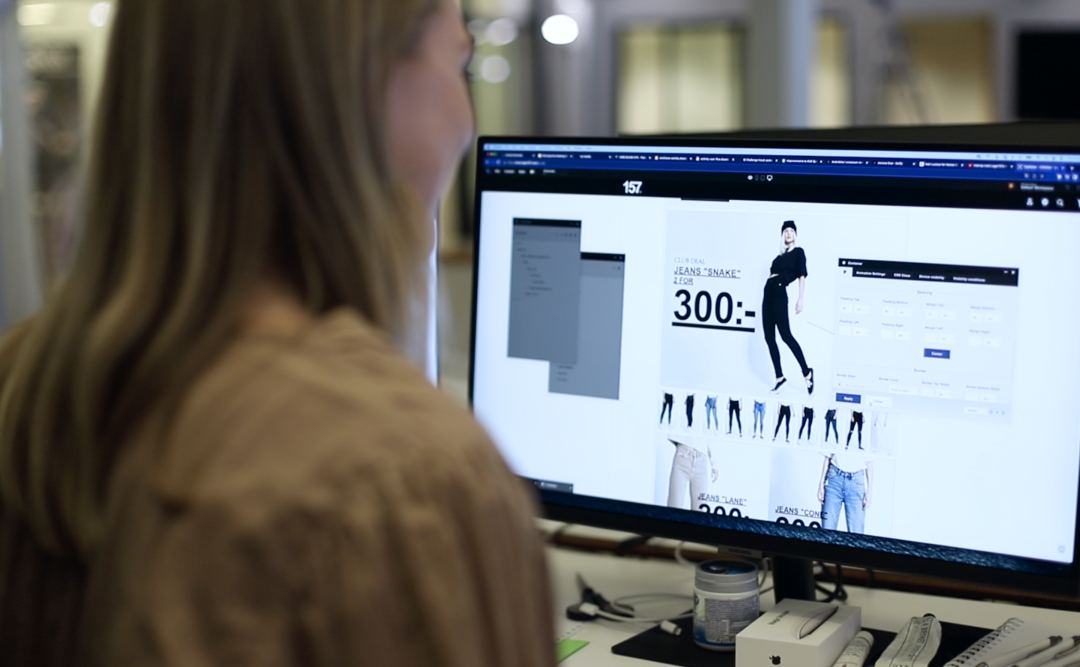
Updating the content in your online shop is probably one of the most challenging daily tasks. Many CMSs (Content Management Systems) are either too limited or too difficult to use and therefore cause dissatisfaction among their users.
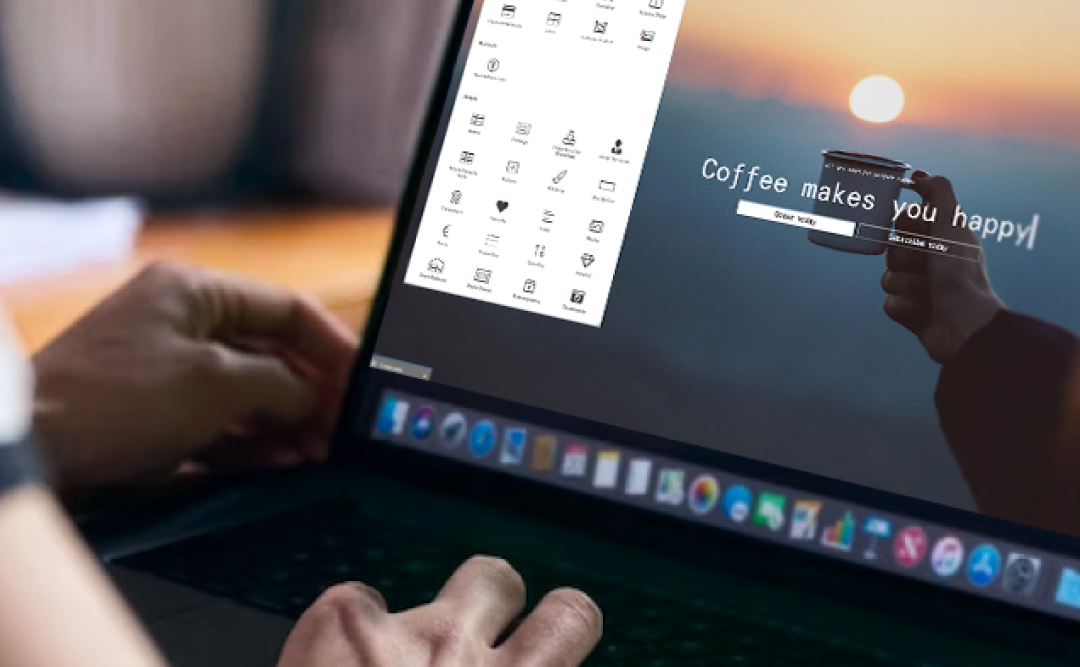
With a good CMS, you can get the most out of your product data and present your range to your customers in an appealing environment, where you can also add additional content that has high value for the customer and strengthens purchasing decisions. To be able to deliver a positive customer experience, you need a CMS that is easy to use and gives you all the functions and possibilities you need.
Knowing how to define requirements for a CMS can, however, be difficult, and if you work with a limited CMS where you have preset positions for each content element but no control over the layout, it is difficult to create an attractive layout.
The mobile experience is highly relevant, and to be able to create a really good mobile experience, the CMS must enable simple and effective management and creation of content for different devices.
Ask yourself:
Do you have the ability to manage content and layout on your website and create a positive customer experience in a simple and time-efficient way?
5.Does the e-commerce platform offer a good PIM? - take care of what you sell
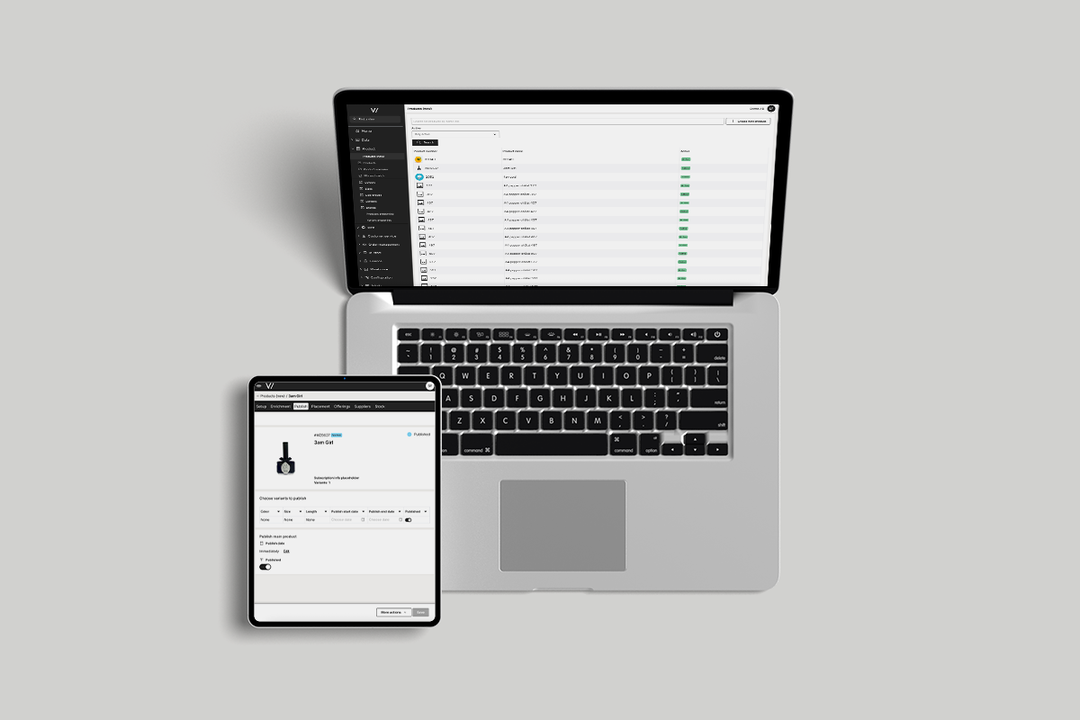
Most e-commerce systems have the tools needed to manage a small website with few and simple products. In that case, PIM (Product Information Management) is not particularly relevant.
But if your business has a broad product catalogue, or if the products have many attributes that are highly relevant to your customers, you risk spending a great deal of time managing product information. Therefore, it may be a good idea to ensure that the e-commerce platform you are switching to offers a solid PIM that makes the work with your e-commerce business easier.
Managing a wide range of products and bringing relevant information into the online shop is no simple task, and most e-commerce platforms depend on external PIM systems via integration.
In addition to saving time by enabling smoother product management, a good PIM system can also be an important function for increasing sales in your online shop.
An advanced PIM system not only stores and organises your product information in a smart way, the data is also used to deliver better results in product searches, such as in Google Shopping. If the product data is comprehensive and relevant, the product gets more and more relevant ad impressions and thereby generates more sales.
PIM is the tool that manages and organises the data so that it can be sent to Google Shopping in a structured format that Google requires. With only a few products, anyone can organise data manually and send it to Google. But when you have many products, they must be handled automatically, and then PIM is the way forward.
The benefits of a good PIM (product information management):
- Saves you time by enabling smooth product management.
- Can increase sales in your e-commerce business.
- A well-built PIM stores and organises your product information in a well-structured way.
- Improved results in product search (for example in Google Shopping) through data and the insights it provides. If the product data is robust, it can create more relevant ad impressions.
Ask yourself:
Can you manage products and product data in a time-efficient way without manual intervention?
Just a feeling or a real need to change e-commerce platform?
Sometimes you get a feeling that you need a better solution, and if that feeling lingers, there is probably a reason for it. Then it is time to take a closer look at your e-commerce business and whether it is time to change e-commerce platform. Examine your results and your growth plans and relate them to your current e-commerce platform. Is the platform leading you forwards or holding you back?
If you feel that your e-commerce platform does not meet your requirements and growth plans, get in touch with us and let us see what we can do about it!
Vill du veta mer om hur vi kan hjälpa dig?
Kontakta oss här!